
When people talk about mentorship, they usually focus on what the mentee gets: advice, support, perspective, encouragement, access.
All of that matters. But it’s only half the story.
The mentor gets something too, and if you’re doing it well, you get a lot. Not in a transactional sense. Not as a favor returned. You get a way to stay current, useful, and intellectually alive.
That’s especially important if you’ve been in leadership for a long time. Experience is valuable, but experience has a dark side: it can harden into certainty. You can start mistaking familiarity for truth. You can become efficient, respected, and steadily less aware of how much the world is changing around you.
Mentorship is one of the best antidotes I know.
New Questions Force Better Thinking
One of the biggest benefits to mentoring is that it forces you to explain yourself.
A mentee asks why you made a decision, how you evaluate tradeoffs, why one kind of communication works and another doesn’t, or what actually matters when things get messy. If you answer honestly, you quickly find out whether your thinking is still sound or whether you’ve just been operating on habit.
That’s useful. A lot of senior people are running patterns they built years ago and haven’t re-examined since. Mentorship creates moments where those patterns get tested. Sometimes you realize your reasoning is solid. Sometimes you realize you’ve been doing something a certain way mostly because it used to work.
Either outcome helps.
Different Viewpoints Reveal Different Reality
Mentees often see the world from a position you no longer occupy.
They are earlier in their careers. They may be closer to the day-to-day frustrations of a team, closer to how new tools are actually being adopted, closer to how customers or users talk about a problem without years of company language layered on top of it.
That perspective is important. People with long tenure get very good at navigating internal systems and very bad at noticing them. We normalize awkward processes, fuzzy communication, unnecessary ceremony, and product decisions that no longer make sense. Someone newer sees the seams immediately.
If you’re paying attention, that is a gift.
It helps in business because it surfaces where your organization is harder to work with than it should be. It helps with customers because it exposes assumptions that may only make sense from inside the building. It helps with leadership because it reminds you that clarity is not the same thing as familiarity.
Generational Perspective Is Not Optional
Often mentees will be younger than you, and from a different generation. This is also one of the most practical ways to understand how a different generation sees the world.
That does not mean turning younger people into trend reporters or flattening generations into stereotypes. It means listening carefully enough to notice what feels obvious to them that does not feel obvious to you.
How do they think about work boundaries? What kinds of leadership behavior build trust and what kinds trigger skepticism? What feels authentic in communication and what feels staged? What do they assume about career growth, loyalty, flexibility, or institutional credibility?
Those are not abstract cultural questions. They affect hiring, retention, management, branding, product decisions, and customer interaction. If you’re leading people or building for markets that include younger generations, ignorance here is a liability.
Mentorship gives you a far better read than articles about “what Gen Z wants” ever will.
It Keeps You Fresh Instead of Rigid

One of the quiet risks of experience is rigidity.
Not always obvious rigidity. Often it presents as polish. You know what works. You know how to read a room. You know how to move quickly. But if you’re not careful, you stop exploring. You become less curious because you can still be effective without curiosity for quite a long time.
That is how stagnation happens in senior careers. Not through incompetence, but through a gradual reduction in openness.
Mentoring helps resist that. It puts you in regular contact with people who are learning, trying, reframing, and questioning. If you engage with that honestly, some of it rubs off. You remember what it feels like to experiment. You notice where your own language has become tired. You become more agile because you’re exposed to motion instead of only relying on memory.
I’ve found that mentorship is one of the best ways not to become the person who keeps saying, in increasingly polished ways, the same things that made sense ten years ago.
Even Memes Tell You Something
And yes, memes.
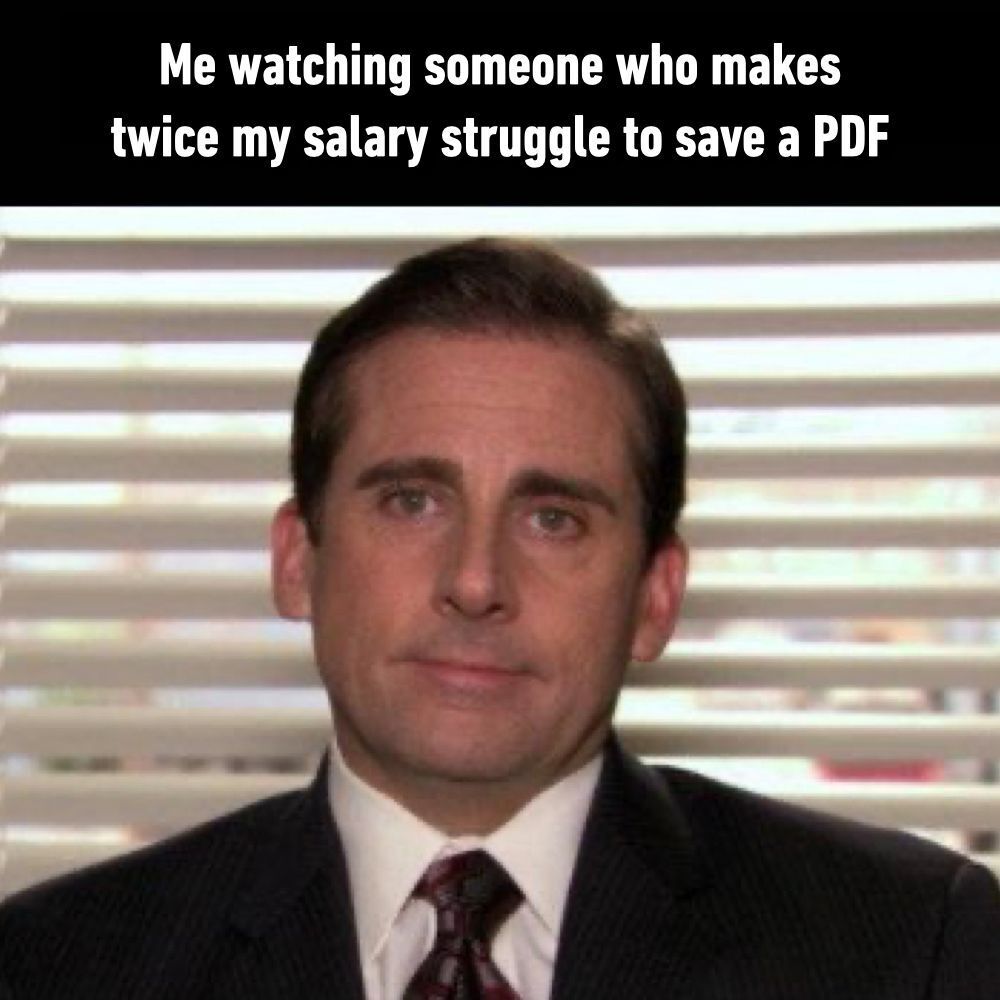
That sounds trivial, but it isn’t. Humor is cultural compression. The jokes people share tell you what they find absurd, what they assume everyone already understands, what frustrations are common enough to be funny, and what forms of expression feel natural to them.
You do not need to imitate younger people’s language to learn from it. In fact, trying too hard usually goes badly. But paying attention to the humor, references, and shorthand that circulate around a generation tells you a great deal about how they interpret authority, work, technology, and social interaction.
If you want to stay aware of how people are actually processing the world, don’t ignore the supposedly unserious signals. They often carry more truth than the polished ones.
The Mentorship ROI Is Your Relevance
The best mentors are not frozen experts handing down wisdom like a sage on a mountaintop. They are still learning. Still adjusting. Still willing to have their assumptions challenged.
That, to me, is one of the real rewards of mentorship. It helps you remain relevant without becoming performative about it. It keeps you aware without forcing you to chase every trend. It gives you access to new ideas, new vocabulary, new concerns, and new ways of seeing familiar problems.
Most of all, it reminds you that leadership is not only about teaching. It’s about staying teachable.
If you mentor long enough, you help other people grow. But if you’re paying attention, you also keep yourself from calcifying.
That alone is worth the investment.